
Jamaican Shrimp Soup for Cold Weather
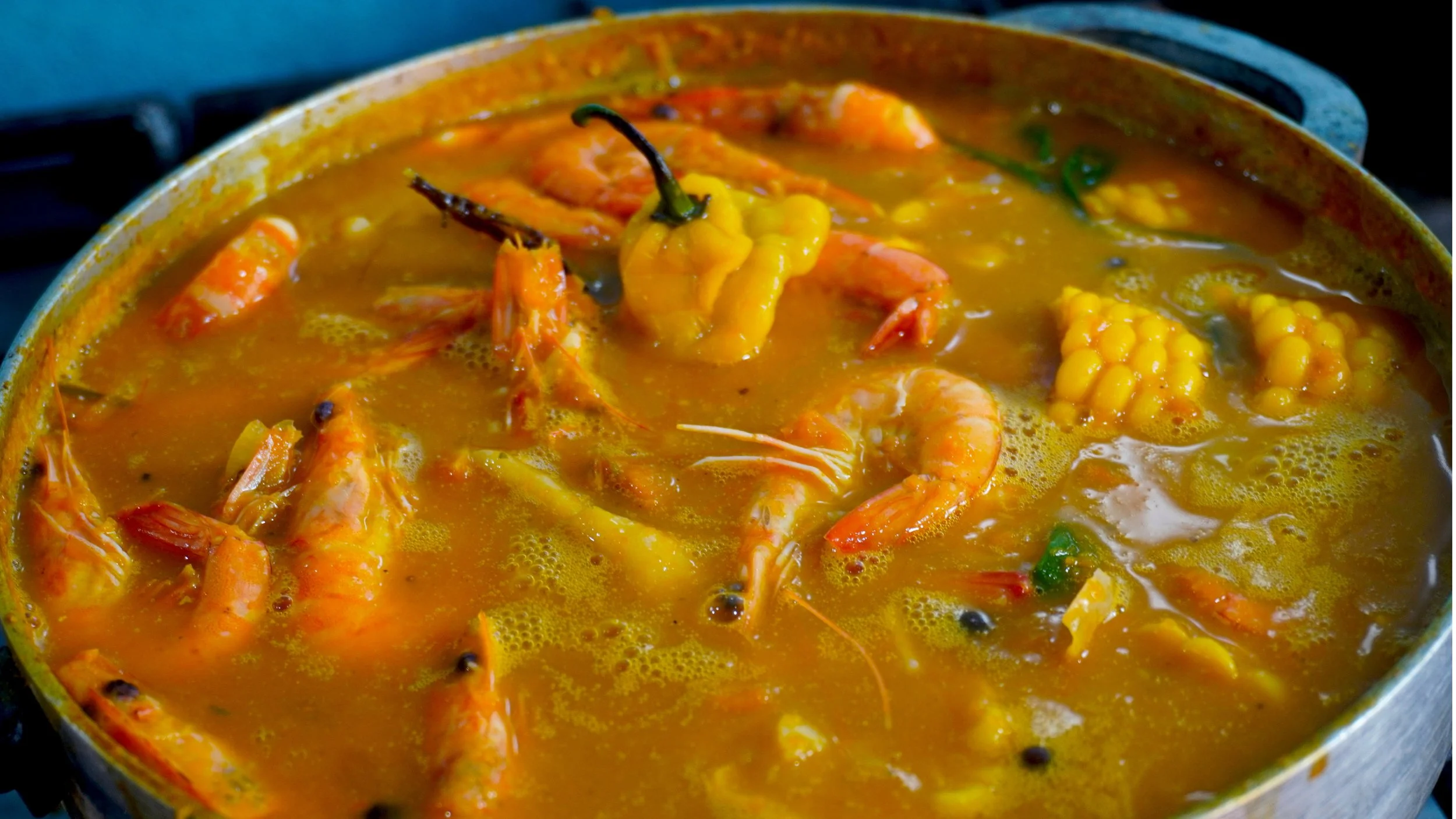
Finished Jamaican Shrimp Soup
This week Jamaica saw some of the lowest temperatures we have had in a long time, so I knew exactly what I wanted to make. A warm, comforting pot of shrimp soup.
This is one of those soups that comes together quickly, but still asks you to slow down and savour it. Rich pumpkin, real corn, dumplings, and shrimp cooked right at the end so they stay tender and sweet. It is simple, deeply flavorful, and perfect for chilly weather.
Pumpkin is the backbone of most Jamaican soups. West Indian pumpkin, also called calabaza, is dense and earthy with just a touch of sweetness. It gives the soup body, color, and a richness that you cannot fake. A good pumpkin alone can take a soup from decent to memorable.
This version keeps things straightforward. No long ingredient list, no unnecessary steps, just solid technique and good timing.
Recipe Card: Jamaican Shrimp Soup
Serves: 4 to 6
Total Time: About 35 minutes
Difficulty: Easy
Ingredients
Soup Base
4 cups water
1 pound West Indian pumpkin, diced
2 fresh corn cobs, cut into pieces
1 medium onion, chopped
3 cloves garlic, smashed
1 half tablespoon dried pimento or allspice
1 carrot, diced
Flavor Base
1 packet Cock Soup mix
Spinners
1 cup all purpose flour
Water, as needed
Shrimp
1 pound shrimp, head on or shell on
Splash of vinegar for cleaning
Complete seasoning or all purpose seasoning, to taste
Finishing Aromatics
1 whole scotch bonnet pepper
2 stalks scallion
1 sprig fresh thyme
To Finish
Fresh ground black pepper
Salt, to taste
Instructions
Start the soup base
Set a pot over medium heat and add the water. Add the pumpkin and corn first. Pumpkin breaks down easily and builds the foundation of the soup, so it goes in early.
Build flavor
Add the onion, garlic, dried pimento, and carrot. Stir, cover, and let simmer for about 10 minutes until the pumpkin is soft.Break down the pumpkin
Once cooked, lightly break up some of the pumpkin pieces with a spoon to help thicken the soup. For larger batches, blending a portion works well too.Add the Cock Soup mix
Stir in the full packet. This adds salt, depth, and noodles that naturally thicken the soup. Adjust later if needed.Make the spinners
Mix flour with enough water to form a dough. Roll small pieces into thin dumplings and add them to the pot. They cook quickly and absorb the soup’s flavor.Clean and season the shrimp
Devein the shrimp if desired. Rinse in water with a splash of vinegar, rubbing gently. Rinse again and drain. Lightly season and set aside.Finish with fresh aromatics
Add the scotch bonnet whole, the scallion, and the fresh thyme. Let simmer about five minutes to release those bright, fresh flavors.Add shrimp
Add shrimp to the pot and cook just until pink and tender, about 2 to 3 minutes.Taste and adjust
Taste the soup. Add black pepper and salt if needed. If you want more heat, gently pop the scotch bonnet and remove it once the heat is right for you.
Notes and Tips
Leaving shrimp shells on is traditional and adds flavor, but you can peel them if you prefer.
Fresh field corn works best since it gives real corn flavor without extra sweetness.
Fresh thyme added at the end makes a huge difference in aroma and brightness.
This soup gets better as it sits, but shrimp is best cooked fresh and eaten the same day.
A Note on Texture, Bones, and Experience
I see comments all the time about Jamaican food being needlessly difficult to eat. Shrimp with shells on. Corn on the cob. Bones left in.
And honestly, depending on the setting, those things are not always there. Fine dining, cook shops, street food, home kitchens all approach it differently.
But there is still something deeper going on.
Some of our food is meant to slow you down. Switching from a spoon to picking up a piece of corn. Working through shrimp. Engaging with the food instead of rushing past it.
There is nostalgia in that. Culture. Even a bit of ritual.
It is not something I always understood when I was younger, but the more I explore Jamaican food, the more it shows up again and again.
Jamaican cuisine is already everywhere. From home kitchens around the world to restaurants in places you would never expect. And if you want to shell your shrimp or cut your corn off the cob, you absolutely can.
But something small gets lost when you do.
My goal with these recipes is not perfection. It is respect.
